
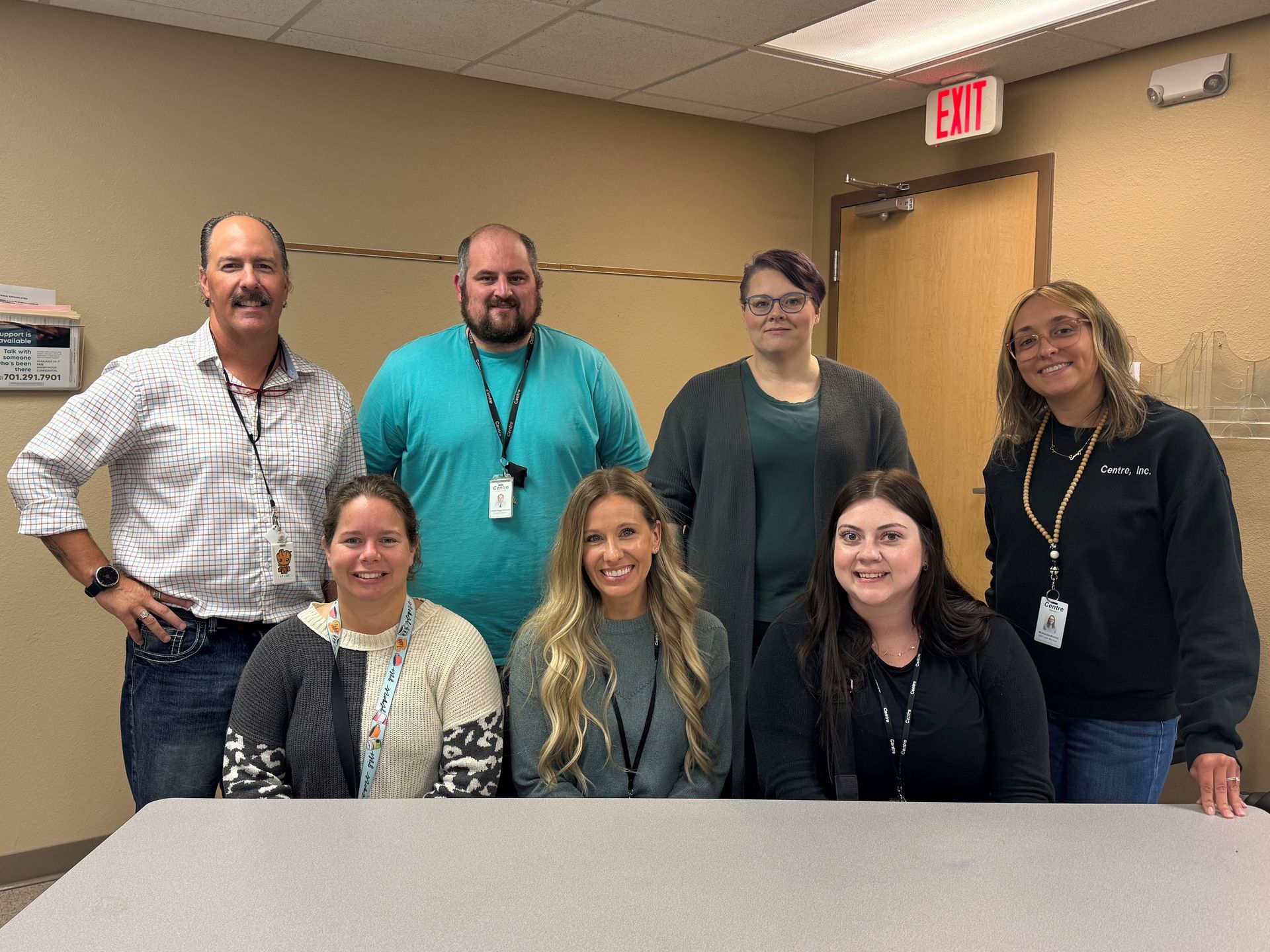
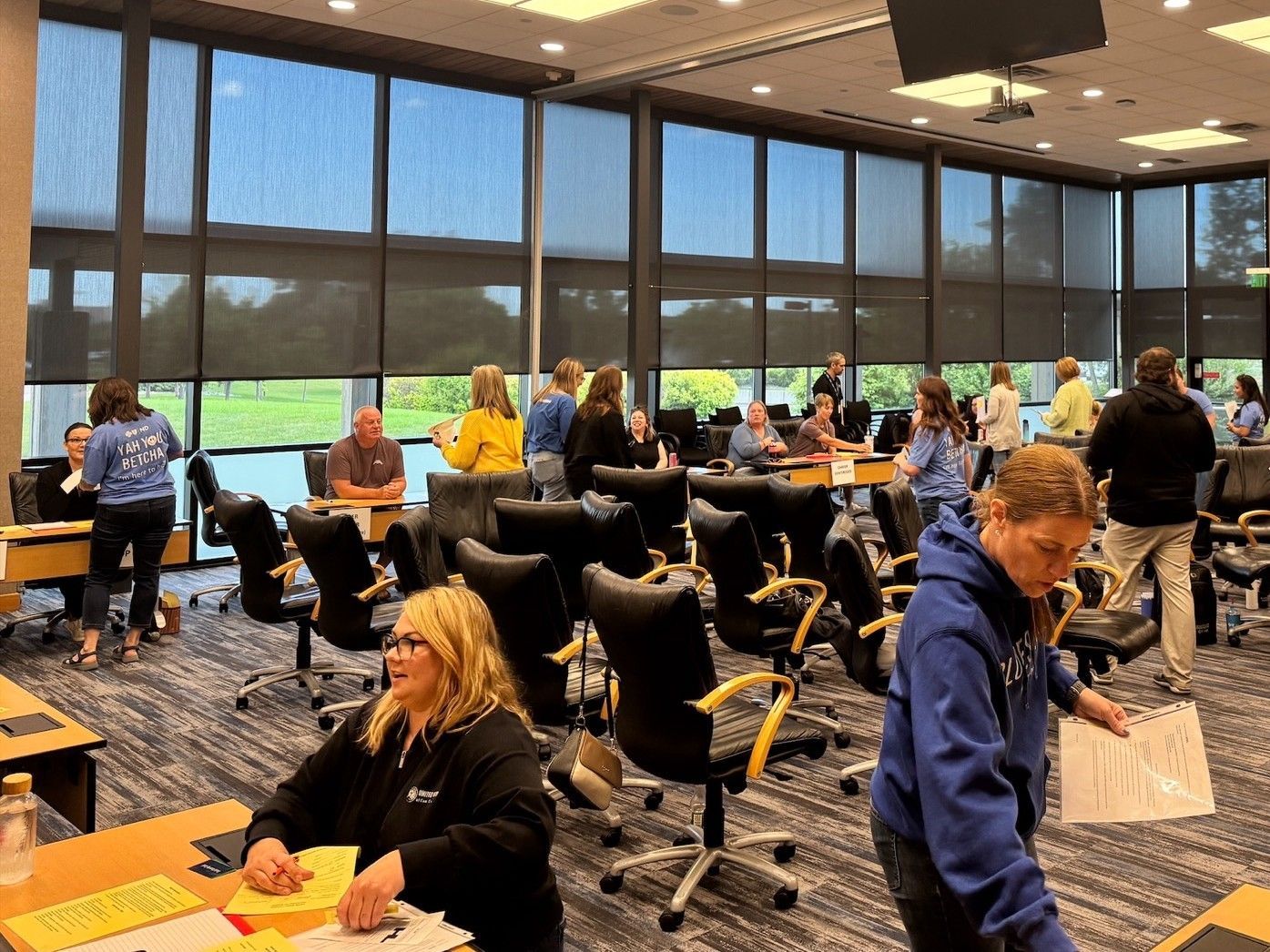
This past November, four Centre staff members, Program Manager Heidi Frueh, BOP Case Manager McKenzie Murray, Case Manager Deaja Munoz, and Care Coordinator Liz Nesdahl, volunteered to assist the North Dakota Department of Corrections and Rehabilitation with a Reentry Simulation event for members of the North Dakota Judicial Conference. The event was held at the North Dakota Heritage Center in Bismarck and was attended by justices of the Supreme Court, as well as district and municipal court judges.
This past November, four Centre staff members, Program Manager Heidi Frueh, BOP Case Manager McKenzie Murray, Case Manager Deaja Munoz, and Care Coordinator Liz Nesdahl, volunteered to assist the North Dakota Department of Corrections and Rehabilitation with a Reentry Simulation event for members of the North Dakota Judicial Conference. The event was held at the North Dakota Heritage Center in Bismarck and was attended by justices of the Supreme Court, as well as district and municipal court judges.
This past November, four Centre staff members, Program Manager Heidi Frueh, BOP Case Manager McKenzie Murray, Case Manager Deaja Munoz, and Care Coordinator Liz Nesdahl, volunteered to assist the North Dakota Department of Corrections and Rehabilitation with a Reentry Simulation event for members of the North Dakota Judicial Conference. The event was held at the North Dakota Heritage Center in Bismarck and was attended by justices of the Supreme Court, as well as district and municipal court judges.

Centre is proud to celebrate Char Ferrell, Nurse Practitioner and Regional Director for Northwest Behavioral Health Clinic, as the recipient of the Legendary Service Award, a recognition from the North Dakota Department of Health and Human Services that celebrates her 17 years of exceptional dedication. Nearly two years ago, when Centre began the work of establishing the Stabilization Center in Williston, Char stepped forward without hesitation. She provided clarity, vision, and steady leadership, from guiding the contract and bidding process to serving on the Program Director selection committee. Char worked alongside state and local officials to navigate regulations, overcome challenges, and ensure that North Dakotans would gain timely access to this vital resource. Her commitment reaches far beyond administrative leadership. As a seasoned nurse practitioner with decades of direct patient care, Char offers a perspective grounded in compassion and real-world experience. Many of the individuals served today at the Stabilization Center once sat across from her as patients. They remember her warmth, honesty, and kindness, and they trust her still. Char’s impact resonates not only within the walls of the Stabilization Center but throughout the broader community. She is widely respected by colleagues, community partners, and clients alike for her integrity, vision, and compassion. Her involvement in regional organizations and commitment to building collaborative systems have strengthened relationships across agencies and elevated the quality of care available to North Dakotans. She is held in deep esteem and gratitude by all who recognize that her leadership has transformed the landscape of behavioral health services in our state. Centre extends its deepest gratitude and heartfelt congratulations to Char Ferrell on this well-deserved honor. Her passion and integrity inspire us all. Cynthia Long Program Director Williston
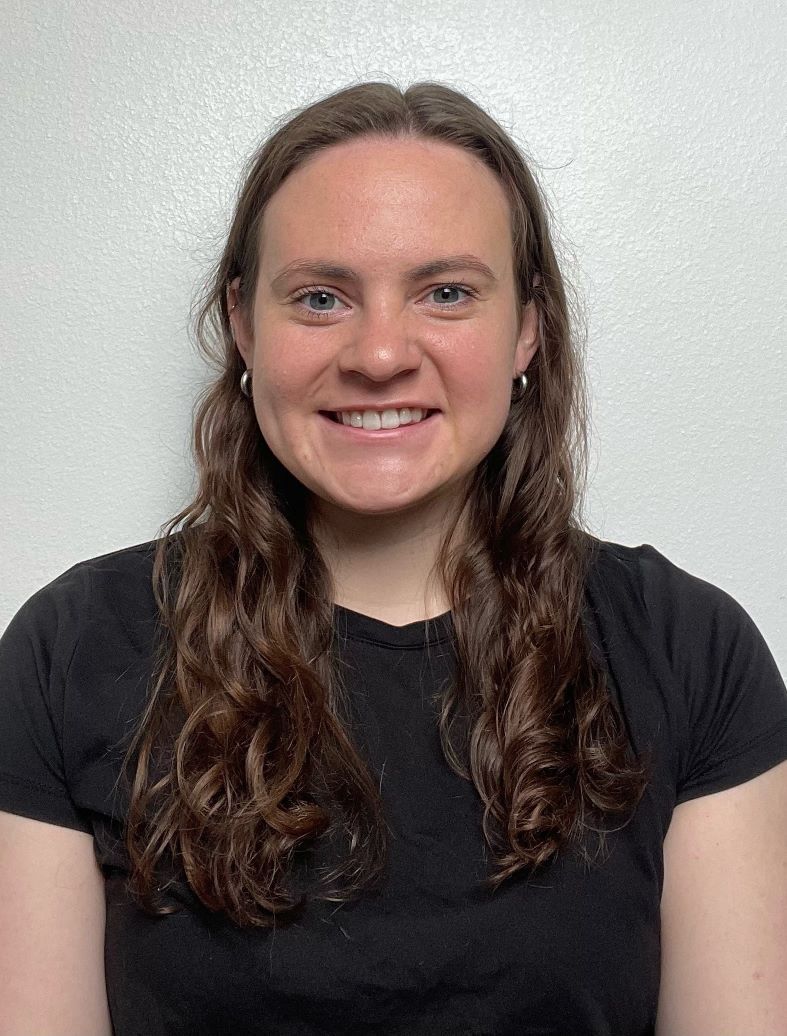
What originally led to your interest at Centre and to this field? I became interested in the field of criminal justice through my studies of psychology. I enjoy the intersection between the mind and behavior and how it leads to criminality. I became interested in Centre through classmates who were working residential and encouraged me to apply. What do you find most meaningful or rewarding about your day-to-day work? I find the interactions with residents the most rewarding. I appreciate interacting with individuals, case management, administration, and outside agencies to promote accountability and long-term change. As residential staff, I have learned a large amount about the criminal justice system and Centre’s part in it. What skills or experiences have you gained at Centre that you’re most proud of? I have become more empathetic since starting at Centre. I appreciate the ability to hear residents’ life stories and how their experiences have shaped them and their situations. I have also gained a large understanding of mental health and how conditions present themselves differently in every individual. What advice would you give someone new to Centre or this field? I would advise that your personal skills are just as important as your education and resume. It’s important to have the qualifications for a position, but being able to interact with the criminal justice involved population is necessary. What do you enjoy doing outside of work? Outside of work, I enjoy spending time with my family and friends, at my boyfriend’s farm, and cooking/baking.
At a recent Board meeting, the Board formally recognized the retirement of Thomas Jefferson, who served with distinction from May 1984 through September 2025. Over more than four decades, Mr. Jefferson’s leadership, knowledge, and unwavering commitment to the community shaped countless initiatives and guided the Board through periods of growth and change. His tenure stands as the longest in the Board’s history, marked by thoughtful decision-making and a dedication to collaboration and community. Fellow board members and leadership staff expressed their appreciation during the meeting. His contributions have left a lasting foundation that will continue to influence the agency’s work for years to come. Following his departure, the Board elected Andrew J. Myer, Ph.D., Associate Professor and Graduate Coordinator in the Department of Criminal Justice at North Dakota State University, as its new Board president. Dr. Myer brings a wealth of academic and field expertise, leadership experience, and a forward-looking vision to the role. Dr. Myer has been a Board Member since 2023. Other Board Members include: Vice President, Rodger Mohagen, Tax Law Office Treasurer, Richard Garske Secretary, Wayne Larson, Retired John Postovit, Retired US West Dan Madler, Beyond Shelter, Inc. Peny Dale, Retired Jordyn Koski, It’s A Part Of, PLLC Jenessa Fillipi, Down Home This transition marks both the closure of an extraordinary era and the beginning of a new one, as the Board moves ahead with gratitude for the past and optimism for the future. Josh Helmer Executive Director
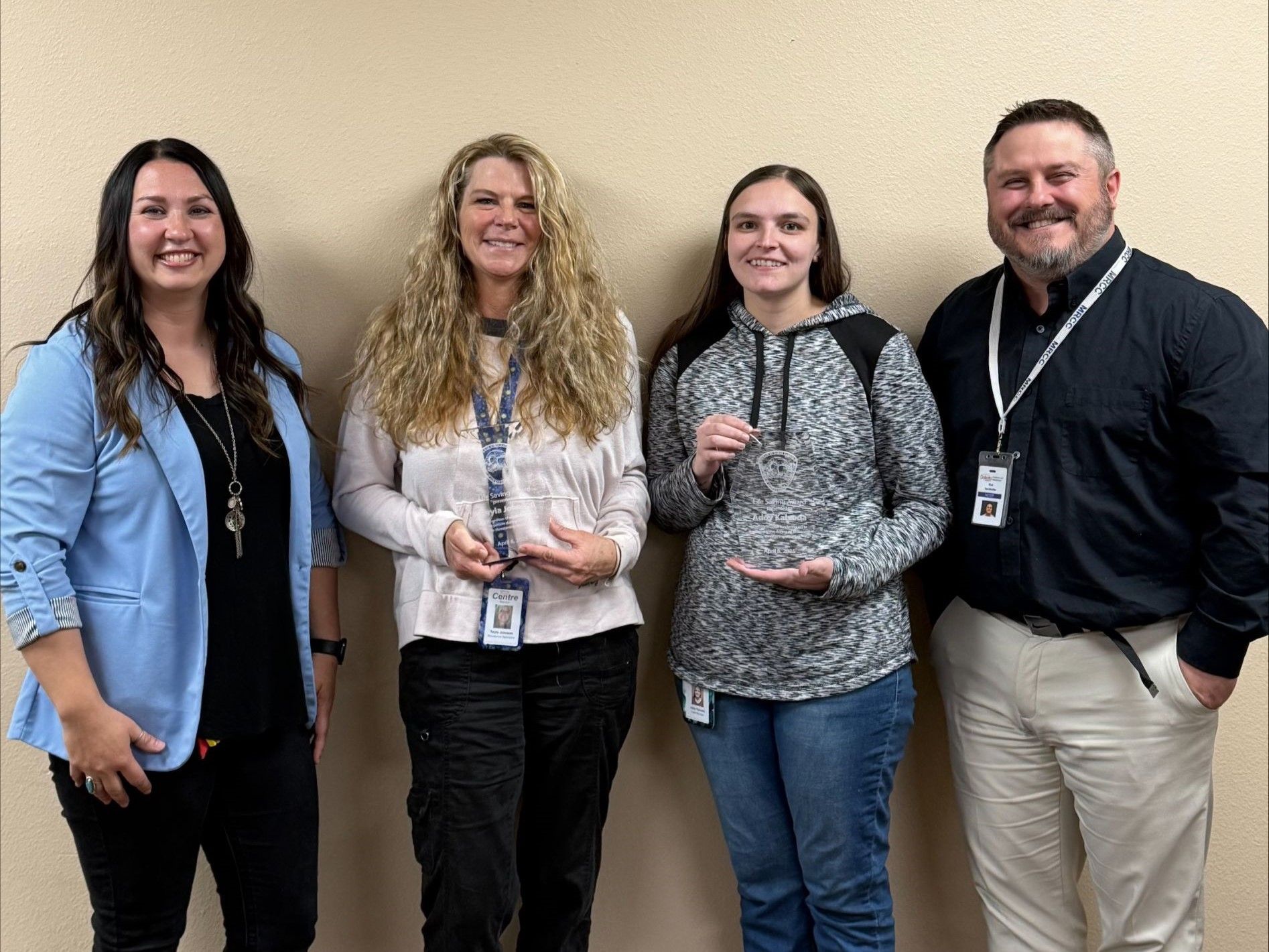
In May, Centre employees in Mandan and Fargo received North Dakota Department of Corrections and Rehabilitation (ND DOCR) Life Saving Awards for their actions in response to critical incidents at the Mandan Residential Reentry Center (RRC) in April and the Fargo Female RRC in February. On May 7, 2025, ND DOCR Women’s Services Manager Cheryl Thomas and Transitional Facilities Contract Administrator Rick Hochhalter presented the awards in Mandan to Case Managers Twyla Johnson and Addy Kalvoda.
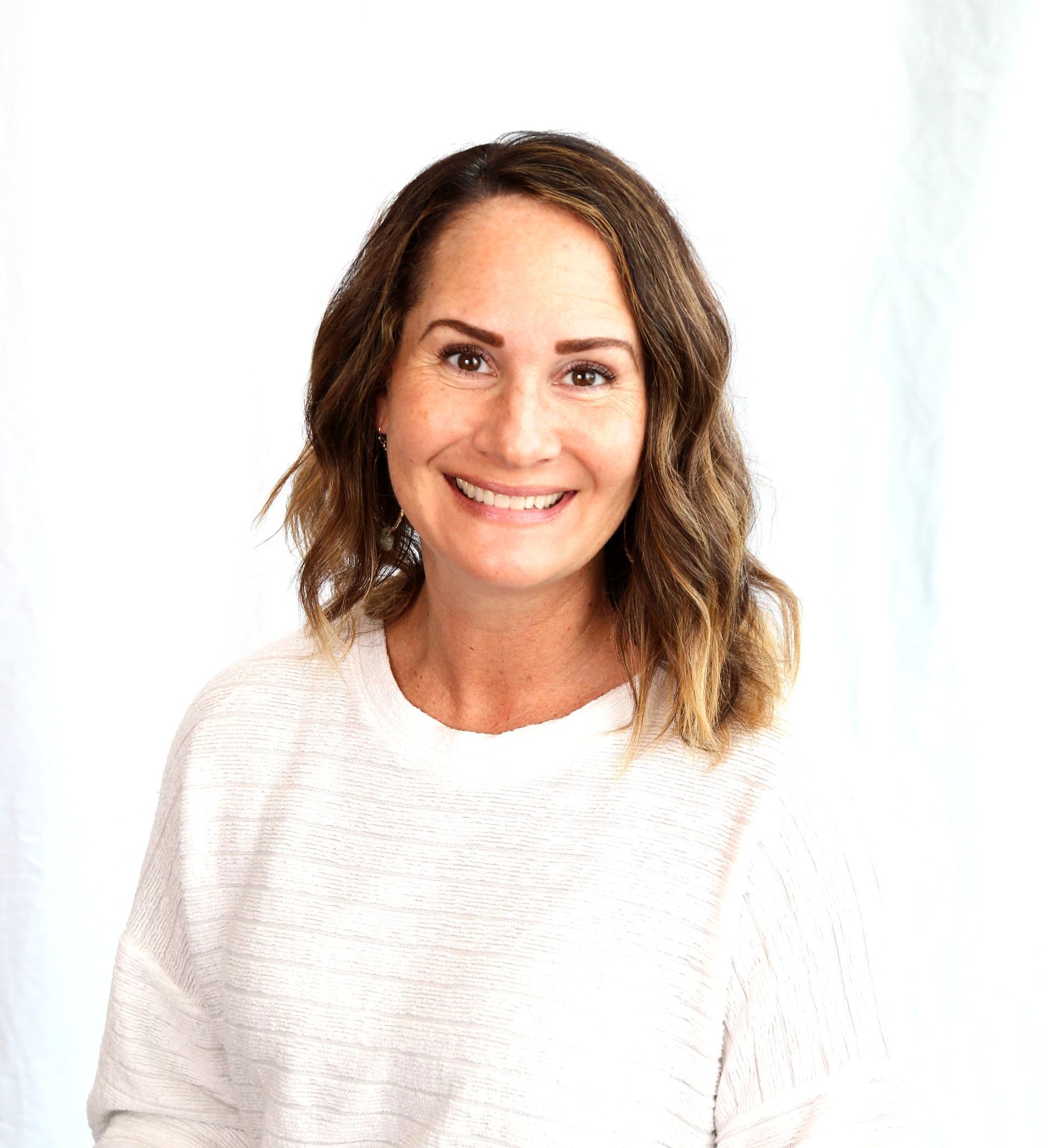
Centre is proud to announce the addition of the agency’s newest member of the Board of Directors, Jenessa Fillipi.
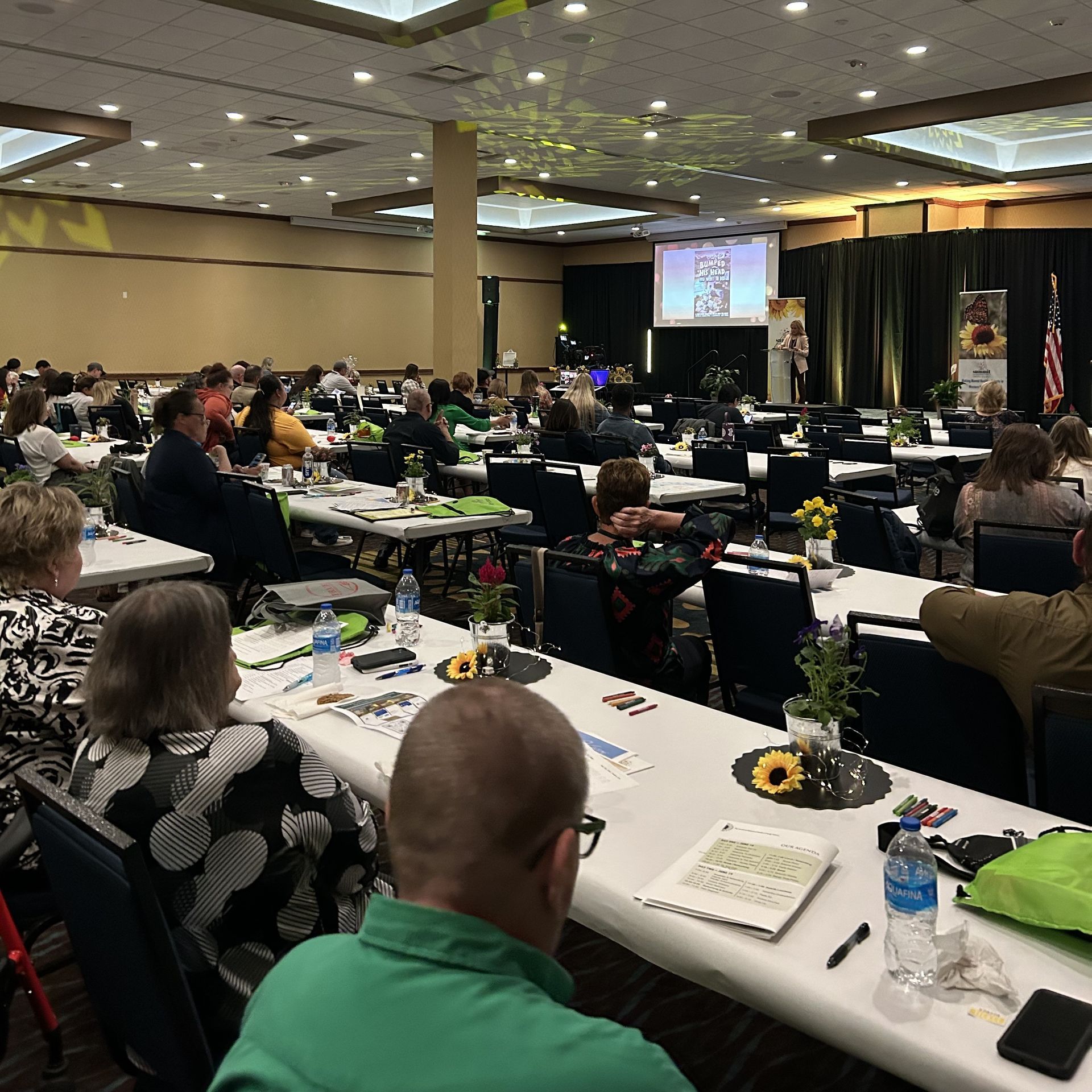
Centre was honored to participate in the 5 th Annual Behavioral Health Summit, held in Dickinson on June 18 and 19 and sponsored by Vision West. The two-day event brought together approximately 125 participants and 42 vendors, all united by a shared commitment to advancing behavioral health, reducing stigma, and building stronger, more compassionate communities. Centre hosted an informational table and was proud to be part of the ongoing dialogue.
Strengthening Community Ties: The Role of Centre, Inc.’s Community Relations Advisory Board: At Centre, we recognize that building and maintaining strong, positive relationships with our local communities is vital to the success of our programs and the individuals we serve. One key initiative that supports this mission is our Community Relations Advisory Board (CRAB) , a cornerstone of our community outreach efforts. The CRAB is designed to foster open communication and lasting partnerships between our Residential Reentry Centers (RRCs) and the communities in which they operate. Purpose & Mission: The primary goal of the CRAB is to ensure ongoing dialogue and collaboration between Centre and key community stakeholders. These stakeholders include, but are not limited to, local employers, social service agencies, legal service organizations, elected officials, law enforcement, and citizens interested in the agency’s mission. By engaging these partners, we aim to promote mutual understanding and shared responsibility in supporting individuals transitioning back into the community. The Board plays a role in informing the public about the mission, goals, and operations of Centre's RRCs and works to maintain the trust and support of the surrounding community. Participation & Engagement: CRAB meetings are held quarterly and create opportunities for meaningful interaction and collaboration on shared issues. Participation is not only encouraged but vital to the program’s integrity. Centre is committed to broadening community involvement and actively seeks representatives from all relevant sectors to join the Board. Looking Ahead: Through the work of the CRAB, Centre continues to foster a community-centered approach to reentry. We are proud to lead efforts that not only support our residents but also enrich the communities we serve. For more information or to learn how to get involved, please contact Director of Operations Chris Shotley at chrissh@centreinc.org. Josh Helmer Executive Director
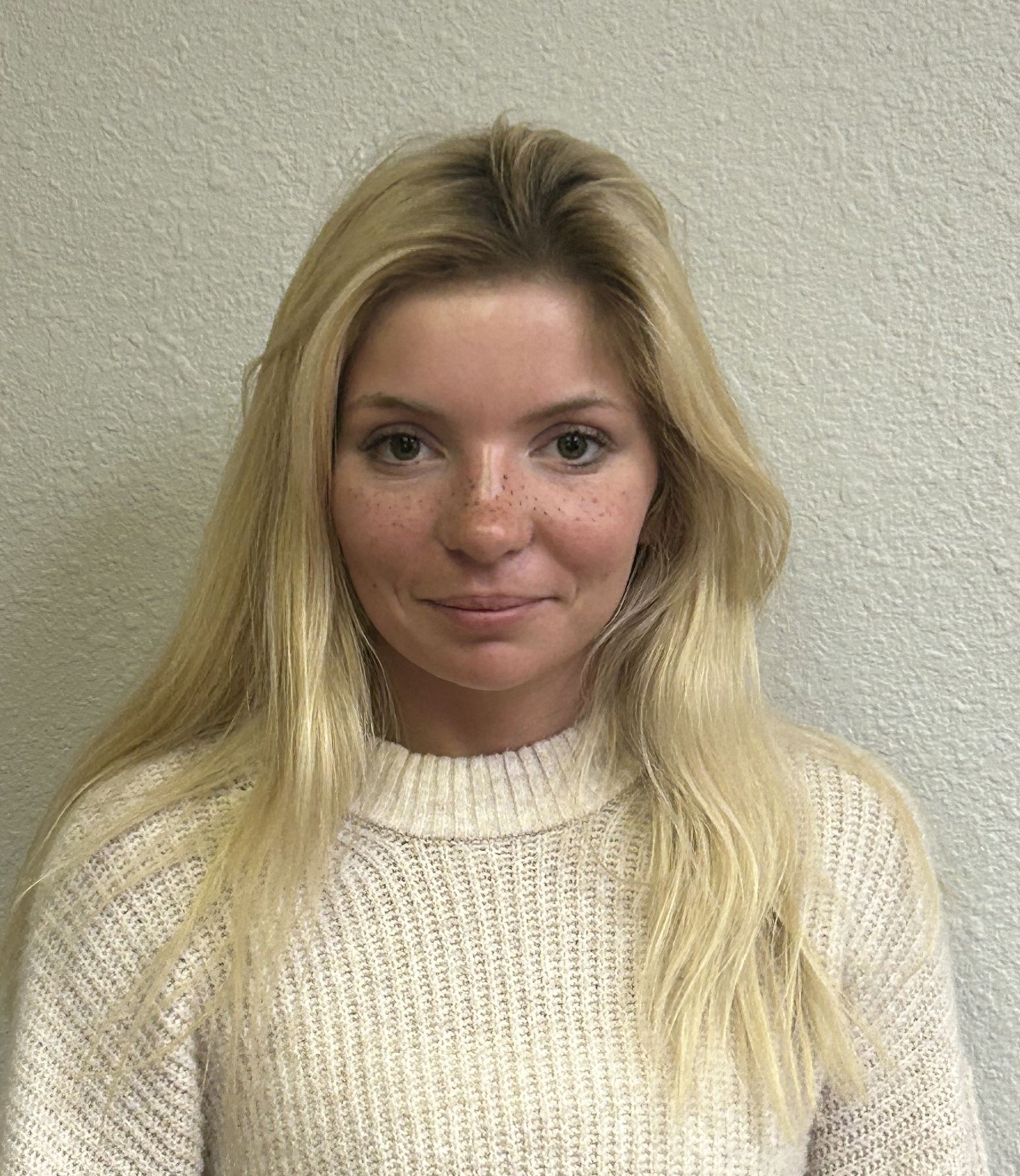
We asked Williston Program Director Cynthia Long how Chyanne has exemplified Compassion in her role. Since joining the Williston team in December 2023 as one of our first hires, Chyanne has shown unwavering dedication - growing from our Food Services and Housekeeping Specialist to Residential Specialist II and a member of our weekend on-call team, all while continuing her food services role. Chyanne has a natural ability to connect with clients in a way that is both uplifting and deeply respectful. Her compassion shines through in every interaction, as she supports each client’s journey with empathy, kindness, and a true desire to help them grow and heal. We’re proud to have Chyanne on our team and grateful for the heart she brings to work every day. F rom Chyanne’s nomination for the Employee Spotlight: Chyanne goes above and beyond for not only our clients but also her fellow staff. Being a new employee, she has made me feel welcome and part of the team. I see Chyanne stop whatever she is doing to take time out and listen to a client who needs an ear. I have also seen her advocate full-heartedly for our clients who won’t or can’t advocate for themselves. She comes to work with a smile on her face and is always looking at the bright side of any situation. Also recognized for demonstrating Centre’s core values: January : Safety & Security - Laurie Huelsman (Williston) February : Empowerment - Sara Nguyen (Fargo) March : Integrity - Melissa Strubbe (Fargo) April : Safety & Security - Sierra Froemke & Molly Nies (GF) June : Empowerment - Charity Manuels-Onoja (Williston)
In May 2024, Centre received an invitation to join the Community Agency Networking Association (CANA). The Grand Forks CANA group serves as the North Dakota Region IV homeless coalition, with a mission to advocate for ending homelessness through community awareness, outreach, prevention, and civic engagement. CANA is comprised of 33 local agencies, each offering diverse services and who are committed to combating homelessness in the Greater Grand Forks community. Other CANA members include Spectra Health, Job Service ND, Altru Health Systems, Northeast Human Services, GF Public Schools, and the UND Police Department. As a member of the CANA group, Centre is represented by some staff from Grand Forks who participate in monthly meetings held on the second Wednesday of each month from 1 to 2 p.m. at the Grand Forks Job Service office. These meetings provide a platform for members to share agency updates, disseminate statewide homelessness statistics, inform others about available resources or grant opportunities, and discuss regional poverty and homelessness concerns. Additionally, a new speaker presents every other month, sharing insights about their agency’s current services or programs that may assist individuals facing homelessness. Centre is scheduled to present on March 12th, where we will outline our services offered and aim to network and build relationships with other community agencies. CANA also collaborates with the ND Continuum of Care to conduct Point-in-Time (PIT) Counts in Region IV. This count aims to gather data on homelessness at local, state, and national levels. Volunteers dedicate a day, starting at 5 p.m. and continuing until 7 a.m., searching the region for unsheltered individuals. Areas searched include tents, vehicles, abandoned buildings, dumpsters, sheds, and any locations deemed unsuitable for habitation. The collected data is then uploaded to the Homeless Management Information System (HMIS) to generate statewide statistics, identify strengths and gaps in services, enhance public awareness, measure progress, and assist with future planning and responses. Representatives from Grand Forks Centre intend to share this information with the rest of the agency before the next PIT Count takes place so Centre can volunteer to help. In addition to joining CANA in 2024, Centre made a monetary donation to support CANA’s New Start Nook, becoming one of the sponsors for this newly established program in Grand Forks. The New Start Nook is a “closet” that provides essential household items to individuals and families transitioning out of homelessness. To facilitate the move from unsheltered living to stable housing, the New Start Nook provides items that promote stability and comfort in new homes, including comforters, sheets, dishes, pots and pans, cleaning supplies, laundry soap, trash cans, and more. For those interested in supporting the New Start Nook, donations can be made here . Liz Nesdahl Care Coordinator Grand Forks
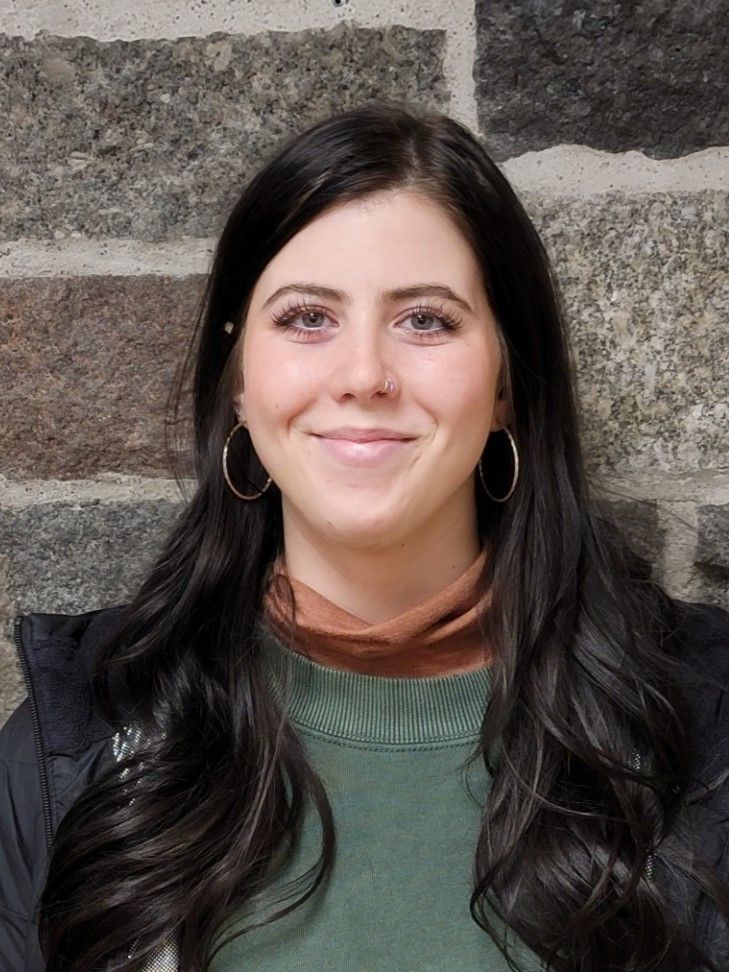
Here is what a couple of Deaja’s coworkers had to say about her: Deaja is the epitome of a compassionate person. I'm pretty sure if you look up the definition of compassion in a dictionary, her name would be listed as an example. Deaja shows compassion by speaking to others with kindness and by listening carefully and without judgement. She has empathy for those around her, which builds rapport and respect from her residents and her coworkers. She has a willingness to help others without the expectation of getting something in return. Deaja is an all-star! Deaja is always willing to lend a hand even if she is busy with work. She answers questions honestly and does not make others feel bad for asking them. Whenever a resident is being disrespectful towards staff and staff cannot get them to calm down, Deaja steps in and has a conversation with them. Also recognized for demonstrating Centre’s core values: July - Empowerment: Cynthia Long - Williston August - Safety & Security: Monyatta Watford - Williston October - Integrity: Charity Manuels-Onoja - Williston
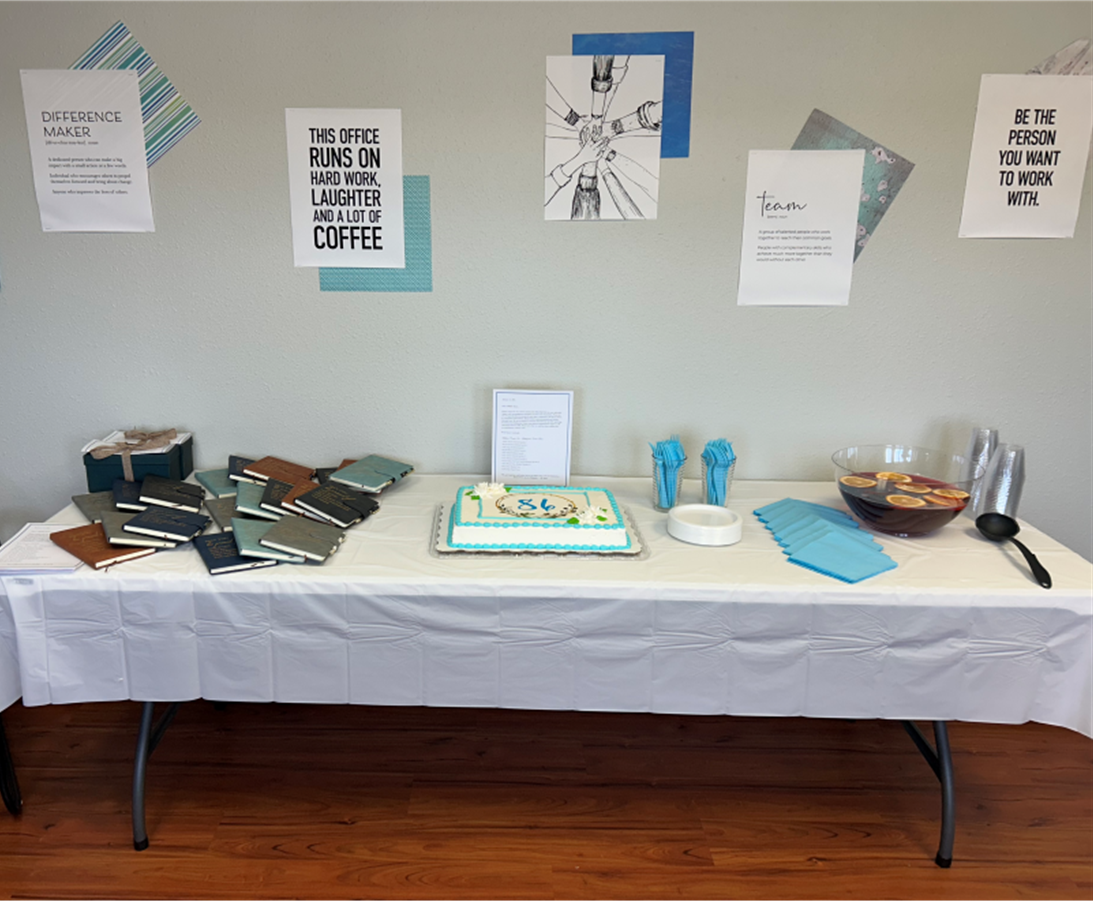
Centre's Stabilization Center in Williston marked its one-year anniversary on January 15th, commemorating a year of providing essential crisis-based residential support services. Over the past year, the center has served 86 clients from Williams and surrounding counties, offering a compassionate, safe space for individuals in need, with an emphasis on person-centered and trauma-informed care.
In October 2024, after 30 years of service to our community, RESTORE closed their doors. Over the years, they offered many vital programs for justice-involved community members in Cass County; one of which being the Community Service Supervision Program.
At the heart of parole and transitional services is the notion of efficiency. How do we keep our communities safe and our justice system fair? Early sentencing focused on determinate punishments but left decisions on sentencing lengths to the judiciary. This led those running prisons to question our system: how could two people who committed similar crimes receive meaningfully different sentences? Further, wardens argued that it was a waste of time, money, and human capital to keep people in prison longer than they needed to be. From these notions, indeterminate sentencing and parole were adopted in 1870. The adoption of these policies necessarily led to an increase in discretion for judges and parole boards. Judges were allowed to create sentence ranges. The idea was that a minimum amount of time must be served, but a parole board was allowed to determine when someone could be released based on factors, including their behavior in prison. Those released early would be monitored in the community and could be returned to prison if necessary. The discretionary power of judges and parole boards came under scrutiny during the 1960s when there was social upheaval surrounding the civil rights movement, the Vietnam War, and Watergate. In the 1970s, we saw a move away from indeterminate sentencing, the restriction of and, in some jurisdictions, the abolishment of parole. Here are three critical lessons we have learned since these changes in the 1970s. Lesson 1: Parole works. Research comparing the outcomes of inmates who received parole versus inmates who “max-out” shows that those who complete the full prison sentence are significantly more likely to recidivate compared to those who were granted early release. Parole is a tool that can reduce the amount of crime in a community that stems from released inmates. This is a critical service. According to the Bureau of Justice Statistics, 95% of state inmates will be released from prison. Lesson 2: Transitional services reduce offending and keep communities safer. The 1970s also saw the birth of researchers trying to understand “What Works” to reduce recidivism. Since the 1970s, we have investigated how various correctional ideologies impact crime. Research on specific and general deterrence policies and practices (i.e., harsher punishments for longer times) shows no relationship with reducing crime. Increasing the use of incarceration can reduce crime by about 10% each time you double (!) a prison population, proving to be an extremely costly proposition for a state. Research on rehabilitation practices demonstrates that using effective interventions (i.e., cognitive-behavioral programs) can reduce recidivism by an average of 12% for a fraction of the cost (think thousands of dollars compared to hundreds of millions). The best programs that are run to fidelity reduce recidivism by 40%. Transitional services are effective and efficient at keeping our communities safe. They offer services to help inmates become accolated to changes in society; they help inmates regain autonomy lost in prisons because of security concerns; and they help connect people to the community to benefit from added human capital. Transitional services are a vital community resource. Lesson 3: Reducing discretionary parole and increasing time served in prison leads to overcrowded prisons. The detrimental effects of overcrowded prisons are vast. Overcrowded prisons are more dangerous; violence in prisons increases for staff and inmates, which impacts their physical and mental health; rehabilitation, healthcare, and education services are diminished because of security concerns. Many states that experience overcrowding conditions are subject to lawsuits. Transitional services work. They reduce crime, reintegrate people into communities, and save money in the long term. They are a vital part of our communities. Dr. Andrew Myer Centre Board Member
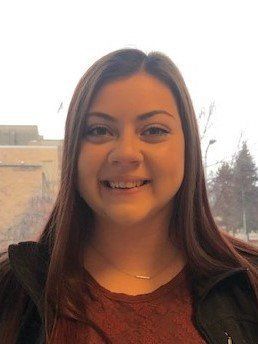
What does Compassion mean to you? Compassion, to me, means stepping out of your own skin so that you can experience a situation from another person’s point of view. It’s setting your own interests and beliefs aside and replacing them with someone else’s, in order to get a better understanding of what they are experiencing. I believe that compassion combines empathy, kindness, and a genuine desire to make a positive difference in the lives of others. Compassion is about recognizing the humanity in people and responding to that humanity with care and support. What advice would you give to embody Compassion? Start by being compassionate towards yourself. Allow yourself to make mistakes, and then allow yourself to forgive yourself for those mistakes. Learn to be patient with yourself as you grow from your experiences. When someone has compassion, they wish for others to be free from suffering. If you can’t be compassionate towards yourself, then it will be really difficult to embody compassion in your work. What is your favorite part of your job? My favorite part of my job at Centre is getting the opportunity to see the growth in everyone I work with (both my clients and my coworkers). Whether it’s a client passing their UA for the first time, a coworker getting promoted, or someone finally getting their own apartment after being homeless for the past three years, all of these growths (no matter how small) are reminders of why I love working in this field. It also doesn’t hurt that this job has led me to gain some coworkers who have become my lifelong friends. Also recognized this year for demonstrating Centre’s core values: January - Integrity: Bailey Pifer - Mandan March - Empowerment: Courtney Kniert, RN - Grand Forks April - Safety & Security: Robin Neal - Fargo May - Integrity: Melissa Arocho - Mandan June - Compassion: Adetomi Adewole - Williston

Jordyn is a Licensed Clinical Social Worker in North Dakota and a Licensed Independent Clinical Social Worker in Minnesota with experience working in group home settings, inpatient hospitals, human service centers, and private practice, where she provides individual therapy, family therapy, and couples counseling. In her personal time, Jordyn enjoys spending time with her family outside and going on adventures. She also loves her Cricut and is an avid Pinterest enthusiast. Centre is proud to have Jordyn and her wealth of knowledge experience, and expertise contributing to Centre’s mission as a member of our Board of Directors. Chris Althoff HR Director
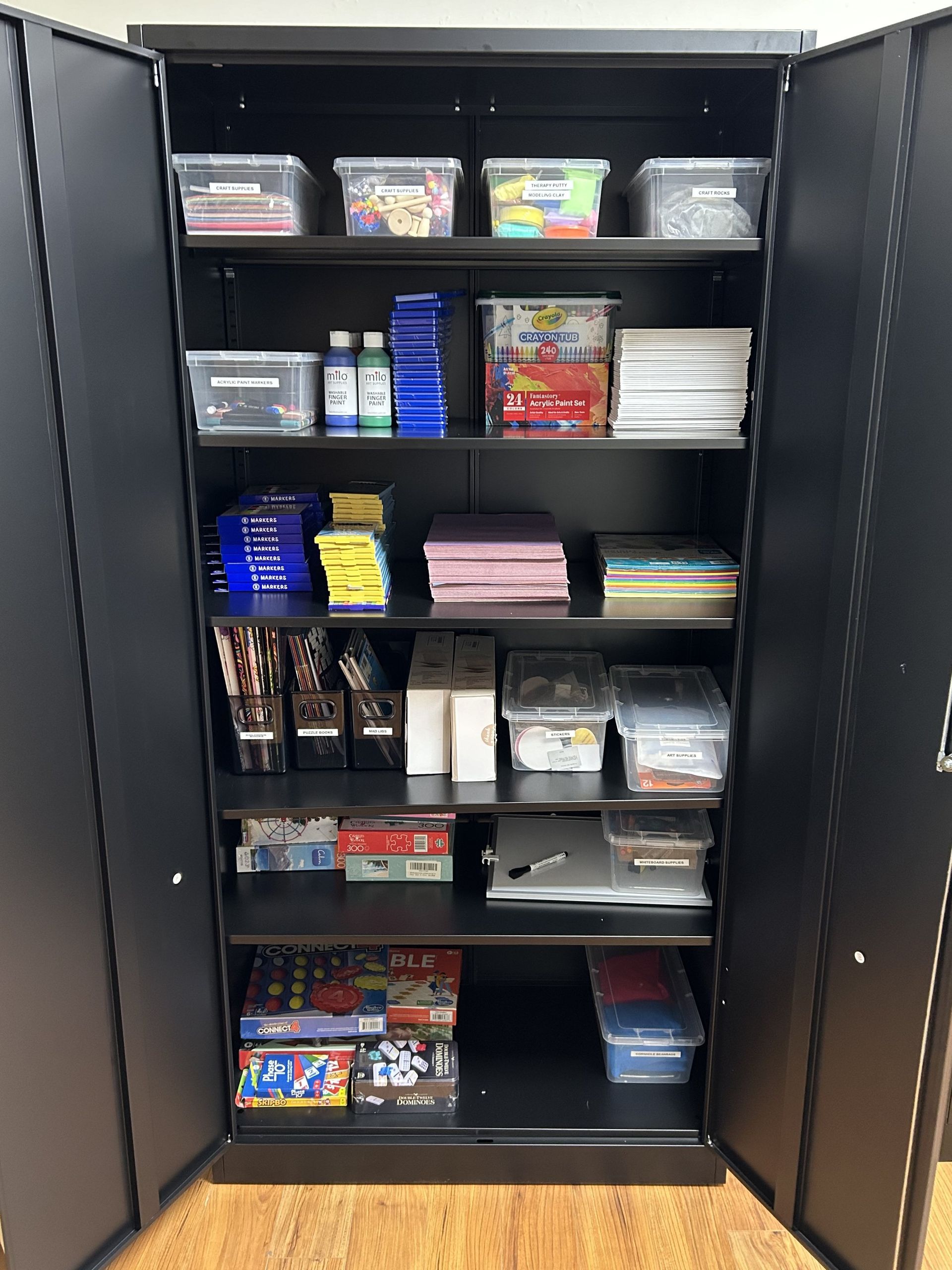
Centre’s Stabilization Center in Williston stands as a testament to the power of collective action in addressing the multifaceted needs of individuals facing mental health challenges. Thanks to recent grant funding from the City of Williston and Williams County, the Stabilization Center has purchased a variety of items to aid in enriching lives and further nurturing holistic well-being among its residents. By utilizing the grant funds to incorporate a variety of activities spanning physical health, emotional stability, life skills, and leisure, the Centre Inc. Stabilization Center is addressing the multifaceted needs of those we serve. Providing a balance between structured programs, such as financial and nutrition education, and enjoyable activities, like painting, crafting, board games and movie nights, helps to foster a sense of community and well-being. Adding cornhole, a puzzle board, musical instruments, games, and various activities into the Stabilization Center's offerings has been a wonderful way to promote relaxation, engagement, and social interaction among residents.
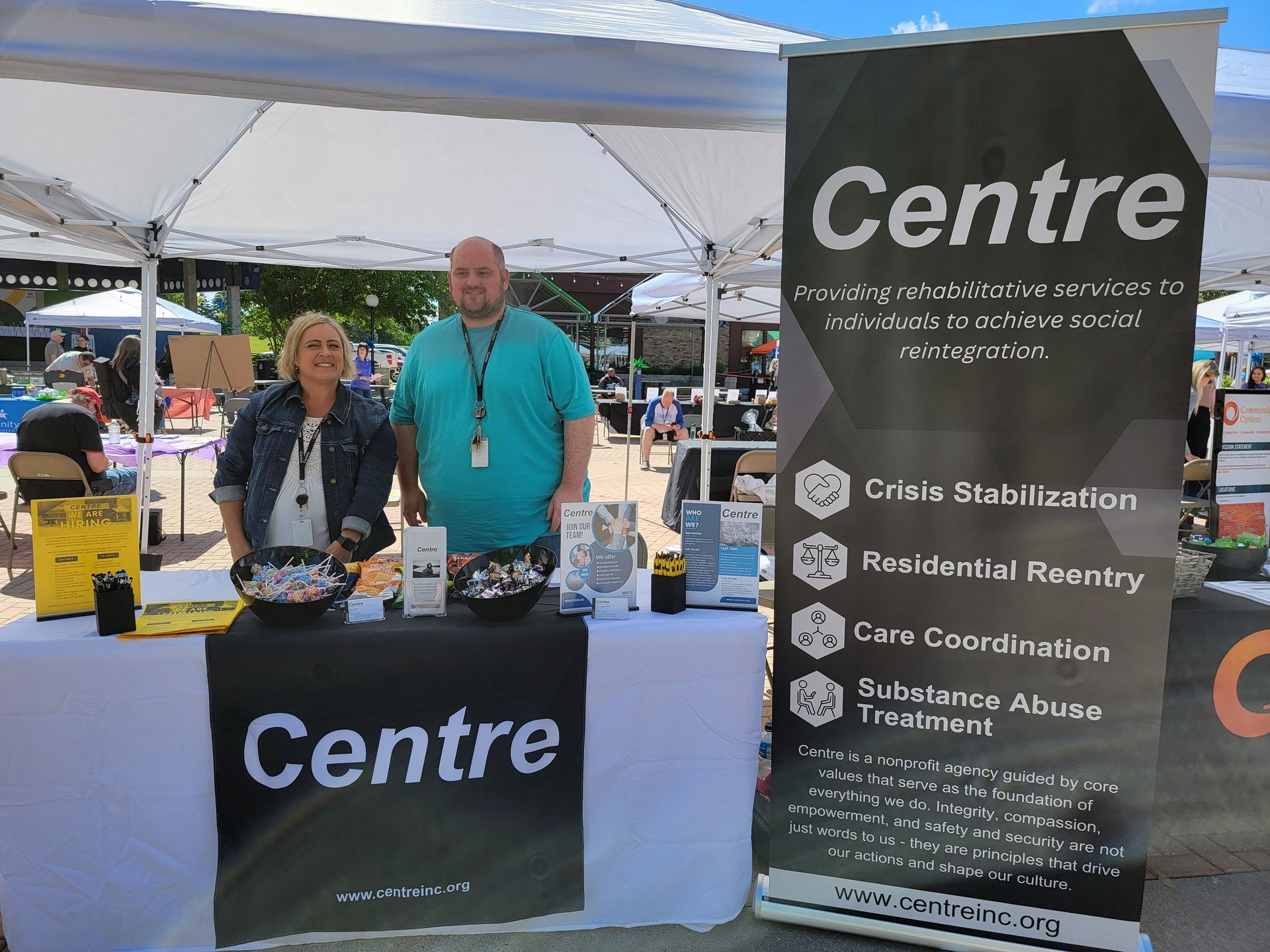
On June 19, 2024, Centre participated in the LiveGRAND: Health and Wellness Expo event at Town Square in downtown Grand Forks hosted by Grand Forks Housing Authority. Program Directors Kelly Vigness and Leland Higginbotham set up a booth sharing Centre’s mission and services available to those struggling with mental health, substance abuse, and involvement in the criminal justice system. LiveGRAND aimed to assist those with low, no, and fixed income households. Gift bags and meals were provided to those in attendance, and community organizations hosted booths with information about their organization and the services they provide. Many vendors handed out various items with company logos such as water bottles, pens, bags, chip clips, balls, candy, etc.

As a result of the agency’s strategic planning session in 2023, Centre’s resident data collection and analysis methods will be overhauled to help us better understand the impacts Centre programming has on its residents and utilize the information to make improvements. Centre has been generating reports on resident statistical information for 15 years, with little variation to the information we collect. As time has gone on, the utilization of our resident management system and the way we work with residents has evolved, so the time has come to advance our data efforts to collect and review additional data points. As we work toward closing a chapter on our current data collection methods and shifting to an updated, more in-depth version, let’s look at the similarities and differences between then and now. In 2009, 552 residents were discharged from our transitional units, and in 2023 there were 1,139 transitional exits. Over that 15-year period, Centre increased its services to residents by over 100%. In comparing discharge rates between 2009 and 2023, they are quite similar with 73% being successful and 23% being unsuccessful. However, when comparing the reason for unsuccessful discharges, the program failure rate decreased by 10% between the 2009 and 2023 data. This decrease is the result of the evolution of our practices with handling violations of certain program rules and expectations. In 2009, instances of a singular drug/alcohol use, lack of employment within the first two weeks of residency, being in the possession of a cell phone and having social media accounts, or not paying subsistence, were grounds for termination. Today, we find that a resident who relapses is more likely to succeed long-term if they are given an intervention, not a termination. We also find that residents who are struggling to obtain employment may need additional support from an Employment Placement Specialist or their Case Manager, or residents who aren’t paying subsistence need budgeting skills rather than an unsuccessful discharge. Our rules and practices surrounding cellular telephones, use of technology. and social media has also evolved. Residents can benefit from the use of these devices and platforms to connect with family, friends, and employers. Centre still has a zero-tolerance stance on instances that impact the safety and security of our facility, staff, or residents, but our data shows that we are more frequently addressing instances of program non-compliance with in-house interventions as opposed to immediate program termination. Similarly, when reviewing instances of staff commending residents for positive behaviors, we have made significant strides in the last 15 years. In 2009, the documented positive-to-negative behaviors ratio was 1.2 to 1, meaning for every negative incident, we typically only had one positive to point out. In 2023, the positive-to-negative ratio was 4.7 to 1, which exceeds the evidence-based practices standard of 4 to 1, so staff should be commended for their utilization of positive reinforcement skills. When comparing the 2009 data to 2023, many areas also trended similarly. For example, the average length of stay for a resident who successfully completed programming has consistently been around the 110-day timeframe, whereas someone who unsuccessfully discharges has remained around 69 days. While the frequency of breath alcohol concentration (BAC) tests remains statistically similar, we do see significantly fewer positive BAC tests. In 2009, there were 61,986 BAC tests completed with 64 positive (0.1%), and in 2023 there were 104,426 completed with 39 positive (0.04%). While there has been a significant decrease in alcohol use in the 15 years, instances of positive drug tests have remained essentially the same. In 2009, 6,606 total tests were conducted, 268 (4.06%) of which were positive, and in 2023, 12,278 tests were conducted with 537 (4.37%) being positive. Based on the current plan, the goal is to have all new data collection practices finalized by the end of 2024, so they can go into effect in 2025. Once in place, we hope to look at data in a new light by comparing these numbers to resident risk areas and the services they received to better understand how aspects of Centre’s programming impacted an individual’s residency. We are looking forward to analyzing and utilizing this data in 2026 to further inform our programming, so stay tuned! Brianna Way Guler Compliance Director
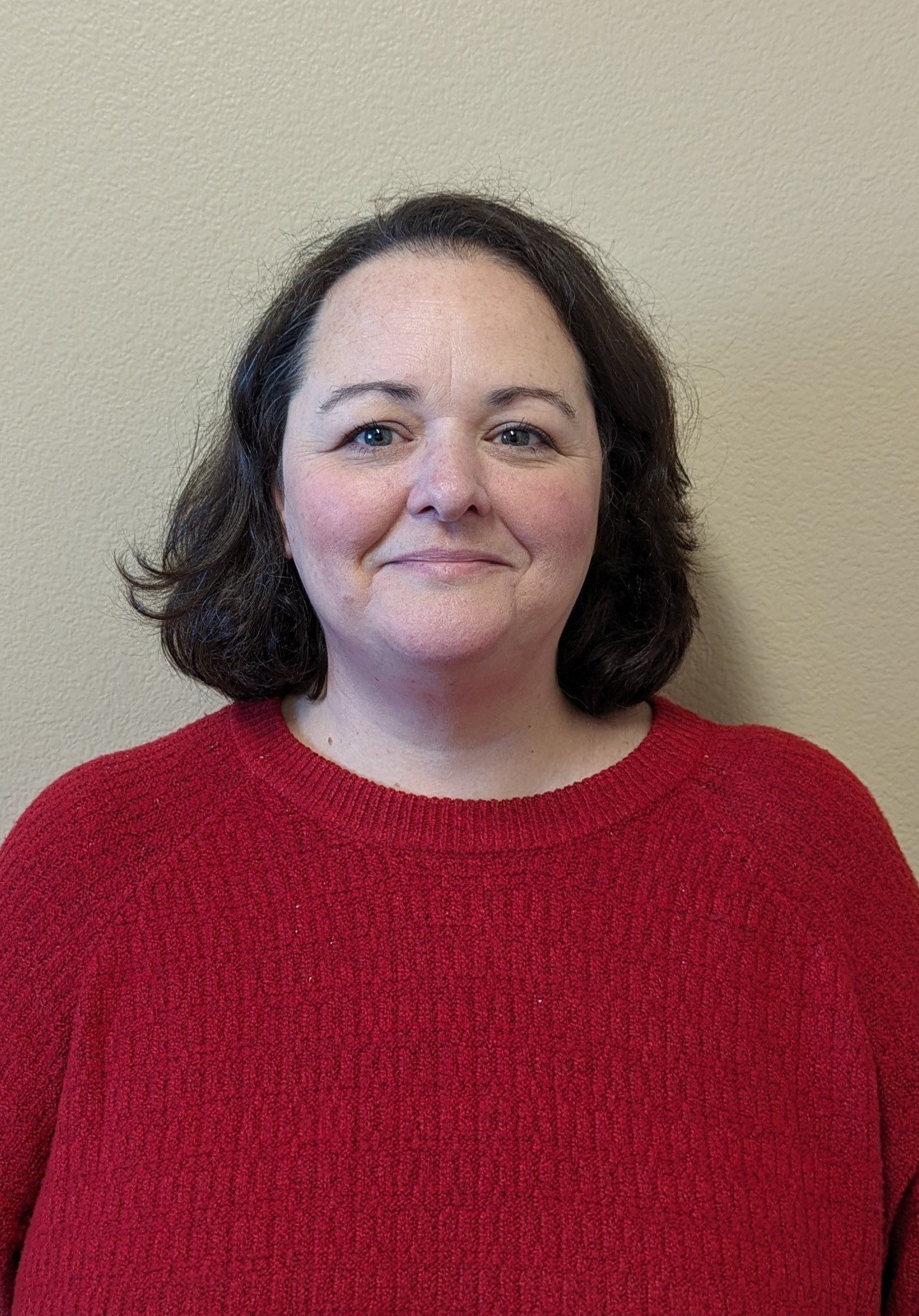
What advice or encouragement would you offer to someone considering a career in the field? Be willing to show yourself the same kindness and compassion you show to others. Be gentle with yourself. What are some of your interests or hobbies? I am passionate about learning. In my free time I love to teach leadership classes, research, write, and watch documentaries.

Funds raised through Giving Hearts Day will play a crucial role in helping clients address barriers to employment, transportation, and ensuring a seamless transition for individuals seeking to reintegrate into the community. One of the primary focuses of Centre's fundraising efforts is to address the employment gap faced by many clients participating in programming. By investing in employment readiness, Centre aims to empower its clients with the tools and resources necessary to secure meaningful employment. By doing so, Centre not only fosters economic independence but also facilitates the reintegration process by promoting a sense of purpose and stability. Transportation can often be a significant hurdle for individuals striving to rebuild their lives. Centre recognizes that reliable transportation is a key factor in accessing employment, education, and community resources. Funds raised on Giving Hearts Day will also contribute to transportation solutions, such as subsidized public transit passes and access to ride-sharing services. By addressing this crucial aspect, we aim to remove a roadblock that can stand between our clients and successful community reintegration. A successful transition involves more than just finding a job or securing reliable transportation, so funds will also be allocated to addressing any other barriers a client may be facing through coordination with Centre’s management and clinical teams. The early giving period is now open, and those interested in supporting Centre for Giving Hearts Day can visit our giving page: https://app.givingheartsday.org/#/charity/496. Every donation contributes to Centre’s mission to provide rehabilitative services to individuals to achieve social reintegration. Chris Althoff HR Director

In June of 2023, over a two-day interactive strategic planning session, employees from Centre’s administration along with management, clinical, and direct care positions from all of Centre’s locations across the state took on the task of developing the agency’s Strategic Plan for the next three to five years. To establish goals and direction, participants considered information from the following sources: Previous Strategic Plan/Progress Reports Summary of feedback from the 2023 Employee Survey Client/Program Statistics/Outcomes from 2022 Summary of Client Survey results Reports/recommendations from the agency’s most recent Correction Program Checklist (CPC) reviews The Strategic Planning Committee developed the following three goals: Programming: To improve and enhance the quality of services provided to Centre clients and maximize positive outcomes Personnel: To improve and enhance employee recruitment, onboarding, training, development, retention, and satisfaction Data, Statistics, & Outcomes: To consistently and effectively measure meaningful outputs/outcomes and utilize the information to improve and enhance Centre programs/programming A chairperson was selected for each goal. The chairperson is responsible for organizing a committee of agency personnel. The committees are responsible for establishing each goal, the priorities, action steps, and a time frame for achieving the goal. We are proud of the work that has been accomplished thus far and are looking forward to making progress towards accomplishing the above goals over the next few years. Josh Helmer Executive Director

When most people think about a workplace wellness program, the first things that jump to mind are walking challenges, weight loss challenges and water tracking. While these are perfectly fine focuses to have when considering wellness, balancing a primary focus on just one wellness aspect like physical health can stunt the growth and engagement in these programs. Every employee will have different priorities for their health, which can stem from generational differences, personal health history or just being passionate about matters such as community projects or mental health. The question comes to mind then, why are wellness programs even that important? Doctors are already promoting healthy lifestyles, why does the workplace need to promote the same message? A wellness program in the workplace offers an opportunity for companies to show their commitment to their employees’ health and well-being, plus promoting employee engagement and boosting the company culture to be as supportive as possible. At Centre, we take pride in promoting our core values: Integrity, Compassion, Safety and Security and Empowerment; with these core values in mind, we have developed a Wellness Program with four Pillars of Wellness: Physical, Mental, Financial and Social/Community that will have monthly rotating themes that will hopefully provide a new resource for all our employees to learn more about how they can prioritize their well-being every day. Each month we will share tips and strategies through our Wellness Weekly posts on our company Intranet. Every computer will automatically open to our Intranet when you open your browser, and we encourage all employees to take the time to read through these weekly posts to learn about what’s happening with the Wellness Program and what activities and engagement are available during that month. As always, we greatly value any feedback, especially for new programs such as our Wellness Program. You can find the feedback form linked in each Wellness Weekly post moving forward. Ambrose Zavislak HR Specialist
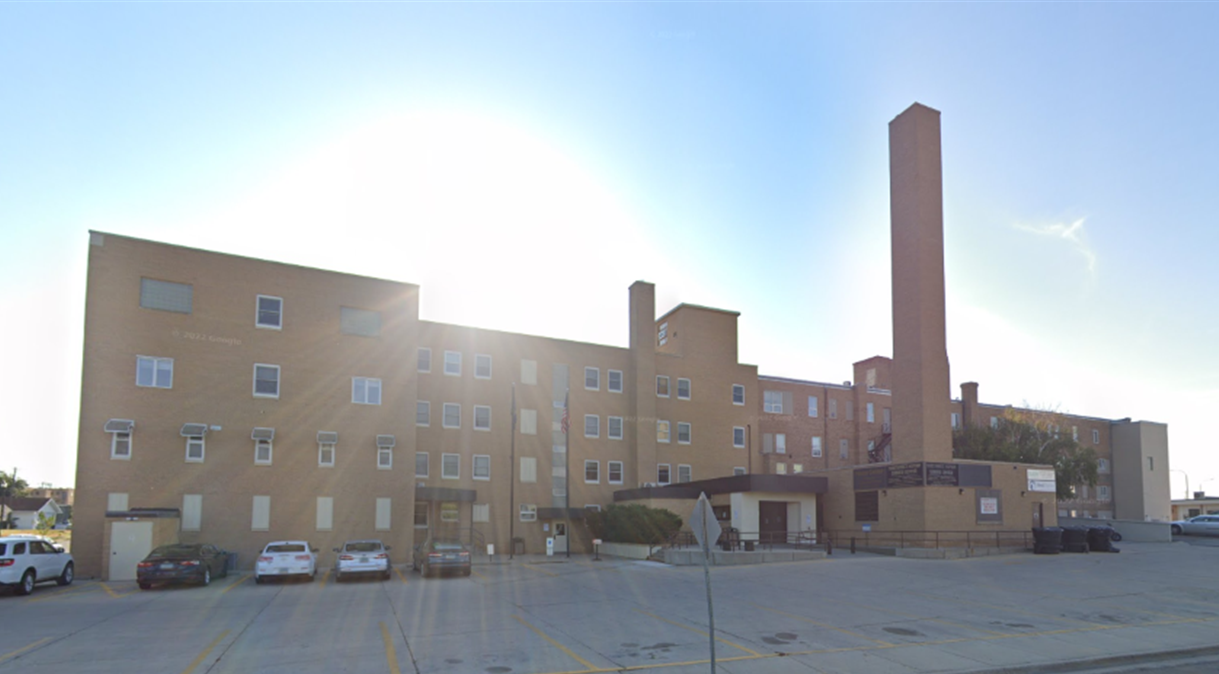
Constructing the Center: The construction phase of the Stabilization Center was a culmination of the collective efforts of Maintenance Supervisor Bryan Backer and stakeholders and collaborators within the Williston Community. The space was designed to ensure a safe and calm environment and haven for Williston area residents seeking services. This 10-bed facility will also include a Drop-In component, allowing individuals seeking immediate assistance a welcoming and safe environment. Hiring and Training: Central to the success of the Stabilization Center was the assembly of a passionate and skilled team dedicated to ensuring empowerment, compassion, integrity, safety, security, support, and education. Hired in mid-October, Cynthia Long, Program Director, began by building collaborative relationships, designing the program structure, and conducting interviews to build the team. December 4th marked the beginning of a comprehensive training program for core staff consisting of crisis management, team building, safety protocols, and program structure. The Stabilization Center team will work in collaboration with one another, and each role is indispensable. Desiree Badger, RN, is responsible for ensuring each resident receives proper medical education and comprehensive care. Chyanne Huling, Food Services and Housekeeping Specialist, will care for the dietary needs of each resident and ensure facility cleanliness. The Residential Specialist team will provide 24/7 care to ensure safety and security during each resident’s stay in the center. Open House: In preparation for the center’s grand opening, an open house was held on December 28th. This event provided an opportunity for approximately 50 stakeholders and partners to witness firsthand the dedication and effort invested in creating the Stabilization Center. Charlotte Ferrell, Regional Director for Northwest Human Service Center, spoke about their partnership with Centre. Attendees were also invited to tour the facility and engage with the team. The open house served as a platform to foster community engagement and awareness, encouraging open discussions around mental health and the critical role the center aims to play in supporting individuals during their most vulnerable moments. As the countdown to the official opening of the Stabilization Center draws near, the anticipation and enthusiasm within the community continues to grow. This beacon of hope represents a significant milestone – a testament to Williston’s commitment to prioritizing mental health, advocating for support, and fostering a more empathic and understanding society. Cynthia Long Program Director Williston